In recent years, the zero-waste movement has gained significant traction worldwide as individuals and communities seek to reduce their environmental footprint. At the heart of this movement is the goal of minimizing waste generation and maximizing resource reuse. One of the most impactful areas where zero-waste principles can be applied is in housekeeping — the daily care, cleaning, and organization of our living spaces.
Zero-waste housekeeping is not just about reducing trash; it’s about rethinking how we consume, clean, and maintain our homes in ways that promote sustainability, health, and economic savings. This comprehensive guide explores the philosophy, practical steps, benefits, and challenges of zero-waste housekeeping, empowering you to transform your home into an eco-friendly sanctuary.
What is Zero-Waste Housekeeping?
Zero-waste housekeeping involves managing your household chores and cleaning routines in a way that produces little to no waste. The key principles align with the broader zero-waste hierarchy:
- Refuse what you don’t need
- Reduce what you do need
- Reuse what you can
- Recycle as a last resort
This means choosing cleaning products, tools, and habits that avoid disposable packaging, harmful chemicals, and single-use plastics. Instead, it promotes the use of natural ingredients, reusable materials, and DIY solutions.
Why Zero-Waste Housekeeping Matters
Our homes are significant sources of waste and environmental impact. According to studies, an average household generates hundreds of pounds of waste annually, much of which comes from packaging, cleaning products, and disposables used around the house. The chemicals in conventional cleaners can also pollute water systems and affect indoor air quality.
By adopting zero-waste housekeeping practices, you can:
- Reduce landfill waste: Cut down on plastic bottles, paper towels, and other disposable items.
- Limit toxic chemicals: Protect your family’s health and the environment.
- Save money: Homemade cleaners and reusable tools often cost less over time.
- Simplify life: Fewer products mean less clutter and more mindful consumption.
Practical Steps to Start Zero-Waste Housekeeping
1. Switch to Reusable Cleaning Tools
Say goodbye to disposable sponges, paper towels, and mop pads. Invest in durable and washable alternatives:
- Cloth rags and microfiber towels: Washable and multi-purpose for dusting, wiping, and polishing.
- Reusable mop pads: Many brands offer washable mop heads made from sustainable fabrics.
- Natural brushes: Wooden handles with plant-based bristles last longer and biodegrade.
- Silicone scrubbers: Replace plastic scrubbers and can be sterilized easily.
2. Make Your Own Cleaning Solutions
Many common household ingredients can be combined into effective, non-toxic cleaning products. Some popular zero-waste recipes include:
- All-purpose cleaner: Mix equal parts water and white vinegar, with a few drops of essential oil for scent.
- Baking soda paste: Great for scrubbing sinks, tubs, and ovens.
- Castile soap solution: A gentle soap base diluted with water, perfect for floors and dishes.
- Lemon juice: Acts as a natural bleach and deodorizer.
By making your own cleaners, you eliminate plastic packaging and reduce exposure to harmful chemicals.
3. Buy in Bulk or Use Package-Free Products
When purchasing cleaning supplies you cannot make at home, consider:
- Shopping at zero-waste or bulk stores where you can refill containers.
- Choosing products with minimal or recyclable packaging.
- Supporting brands committed to sustainability and ethical sourcing.
4. Rethink Laundry Habits
Laundry can be a significant source of waste and pollution:
- Use eco-friendly, concentrated detergents available in refillable containers or make your own using soap nuts or castile soap.
- Avoid dryer sheets — opt for wool dryer balls or air drying.
- Wash clothes in cold water to save energy.
- Repair and mend clothes to extend their life and reduce textile waste.
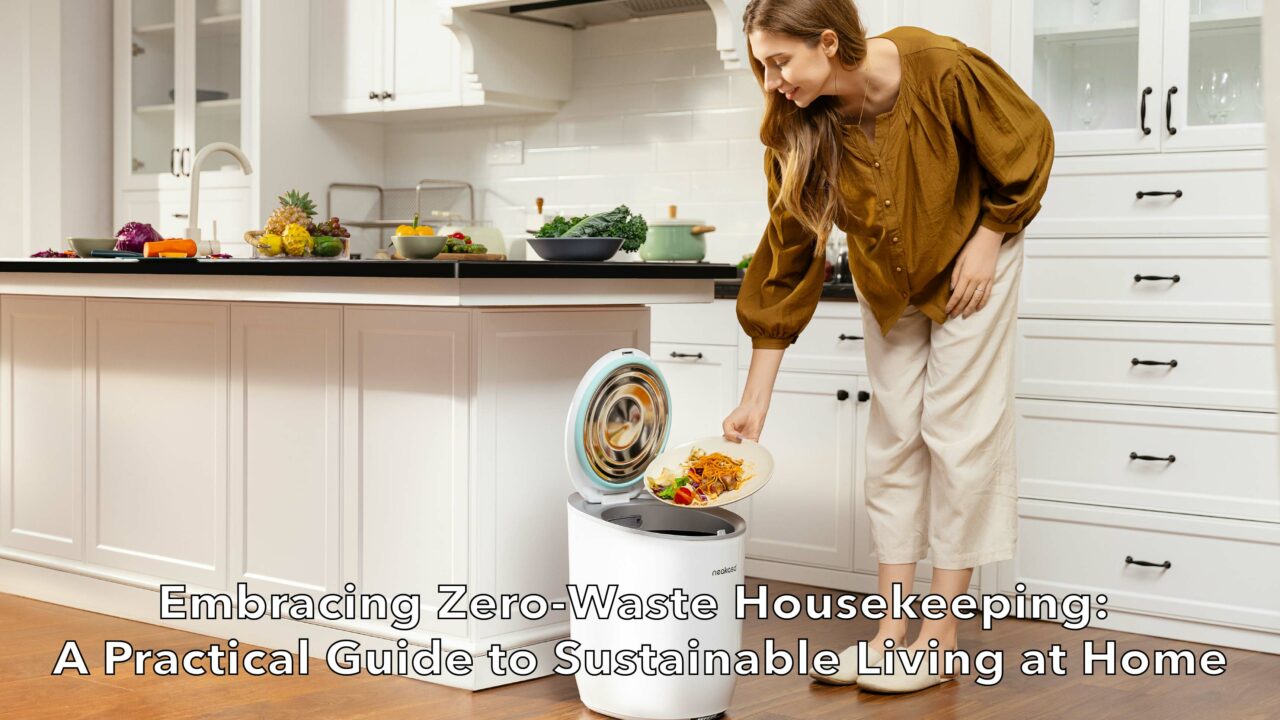
5. Compost Organic Waste
Food scraps, used tea bags, and coffee grounds can be composted rather than thrown away. Composting reduces landfill methane emissions and provides rich soil for gardening.
If you live in an apartment or a place without outdoor space, explore:
- Vermicomposting: Using worms to break down organic waste indoors.
- Community composting programs: Many cities offer drop-off locations.
6. Reduce Single-Use Items
Avoid disposable items in all housekeeping aspects:
- Use reusable mop buckets and cleaning cloths instead of disposable wipes.
- Switch to refillable spray bottles.
- Replace plastic trash bags with compostable or reusable alternatives.
Overcoming Challenges
Transitioning to zero-waste housekeeping can seem daunting. Common challenges include:
- Initial cost: Investing in reusable tools and bulk products may require upfront spending, but savings accumulate over time.
- Convenience: Homemade cleaners and reusable items require more effort than disposables initially.
- Habits: Changing long-established cleaning routines takes time and commitment.
Start small — replace one item or habit at a time and celebrate progress rather than perfection.
The Broader Impact of Zero-Waste Housekeeping
By adopting these practices, you contribute to:
- Reducing plastic pollution: Household waste is a major contributor to microplastics in oceans and waterways.
- Lowering carbon footprint: Sustainable living reduces energy consumption and greenhouse gas emissions.
- Protecting ecosystems: Using natural cleaning agents prevents toxic runoff that harms wildlife.
- Inspiring community action: Your eco-conscious choices can motivate friends and neighbors to follow suit.
Final Thoughts
Zero-waste housekeeping is a powerful way to align your daily habits with sustainability goals. It’s a journey of awareness, creativity, and commitment — but the benefits for your health, your wallet, and the planet are well worth it. Embrace the mindset of mindful consumption and discover how caring for your home can also care for the Earth.
#CanGoGreen #ZeroWasteLiving #SustainableHousekeeping #EcoFriendlyHome #WasteFree #GreenCleaning #PlasticFree #SustainableLiving #EcoTips #ClimateAction