Canada’s green movement is gaining momentum, driven by consumers, businesses, and government policy. Here’s a breakdown of the most impactful sustainability trends:
1. Mindful Consumption & the Circular Economy
Canadians increasingly embrace “buy less, buy better.” Many are choosing secondhand goods, repairs, or renting instead of purchasing new items. A 2024 survey found that 73% of Canadian shoppers consider environmental impact in their purchasing—up from 45% in 2018. Brands respond with take-back programs, resale platforms, and rental options to meet this demand.
2. Rise of Plant-Based & Local Diets
Dietary shifts are a key part of Canada’s eco journey. Over 55% of consumers are choosing plant-based foods for health and sustainability. Additionally, 72% prioritize locally sourced ingredients, and 70% prefer buying Canadian-made products—even if they cost a bit more.
3. Green Tech & Smart Homes
Eco-conscious Canadians are adopting smart technologies like energy-efficient appliances, solar panels, and home automation. Smart thermostats, efficient lighting, and solar storage help households significantly lower energy usage. On a larger scale, commercial buildings are moving toward low-carbon designs, modular construction, and advanced HVAC and greywater systems.
4. Workplace & Construction Innovation
Green building is flourishing across Canada. Ontario is witnessing a boom in LEED and WELL-certified developments, emphasizing carbon savings via cross-laminated timber, recycled steel, and passive house engineering. Innovative materials like carbon-cured concrete and smart facades are coming into play—driven by policy targets and life cycle assessments.
5. Sustainable Retail & Packaging
Retailers are fighting plastic pollution by transitioning to biodegradable or compostable packaging and minimalist designs. Refillable stations for household goods and eco-labeling with QR transparency are gaining traction, helping consumers verify claims and reducing greenwashing risk.
6. Green Transportation & Urban Agriculture
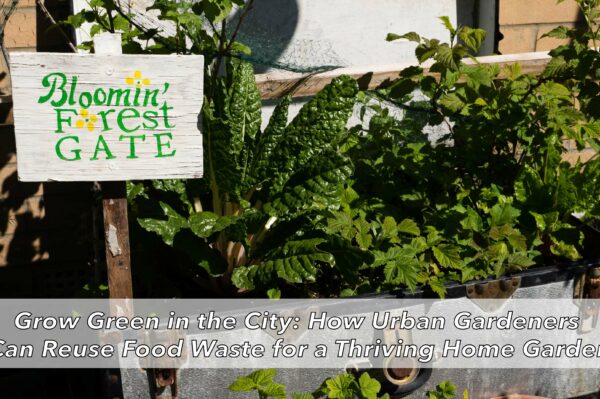
EVs are becoming mainstream among Canadians, aided by better infrastructure and bike-friendly city planning. Urban agriculture—with rooftop farms and community gardens—is sprouting in major cities like Vancouver and Montreal, furthering food security and cutting emissions.
Why These Trends Matter
- Consumer Demand: 85% of Canadians actively seek eco-friendly products, even paying 10–20% premiums for sustainability.
- Business Response: Innovations in packaging, supply chains, and materials are driven by consumer green priorities.
- Policy Support: Federal strategies like the Clean Growth Hub, carbon pricing, and building regulations incentivize low-carbon methods.
What to Do Next
- For Individuals:
- Embrace refills, secondhand goods, plant-based food, and smart home upgrades.
- Choose local products and use eco-label scanning tools for informed choices.
- Embrace refills, secondhand goods, plant-based food, and smart home upgrades.
- For Businesses:
- Start circular programs (take-back, repair, rental).
- Adopt sustainable packaging, green logistics, LEED certification, and transparent eco-labels.
- Start circular programs (take-back, repair, rental).
- For Policymakers:
- Expand incentives for sustainable construction and renewable energy.
- Standardize eco-labeling and support circular infrastructure.
- Expand incentives for sustainable construction and renewable energy.
Final Thoughts
Canada is experiencing a green renaissance—where consumer values, business practices, and smart policy converge to drive a more sustainable future. As we see circular consumption, plant-based diets, green tech, and clean infrastructure become mainstream, each Canadian plays a vital role. Whether you’re a homeowner, business leader, or policymaker, there’s a shared path to a more resilient, eco-conscious Canada.
#CanGoGreen #EcoFriendlyCanada #SustainableLiving #GreenTech #PlantBased #CircularEconomy #GreenBuilding #CleanEnergy #UrbanAgriculture #ClimateAction