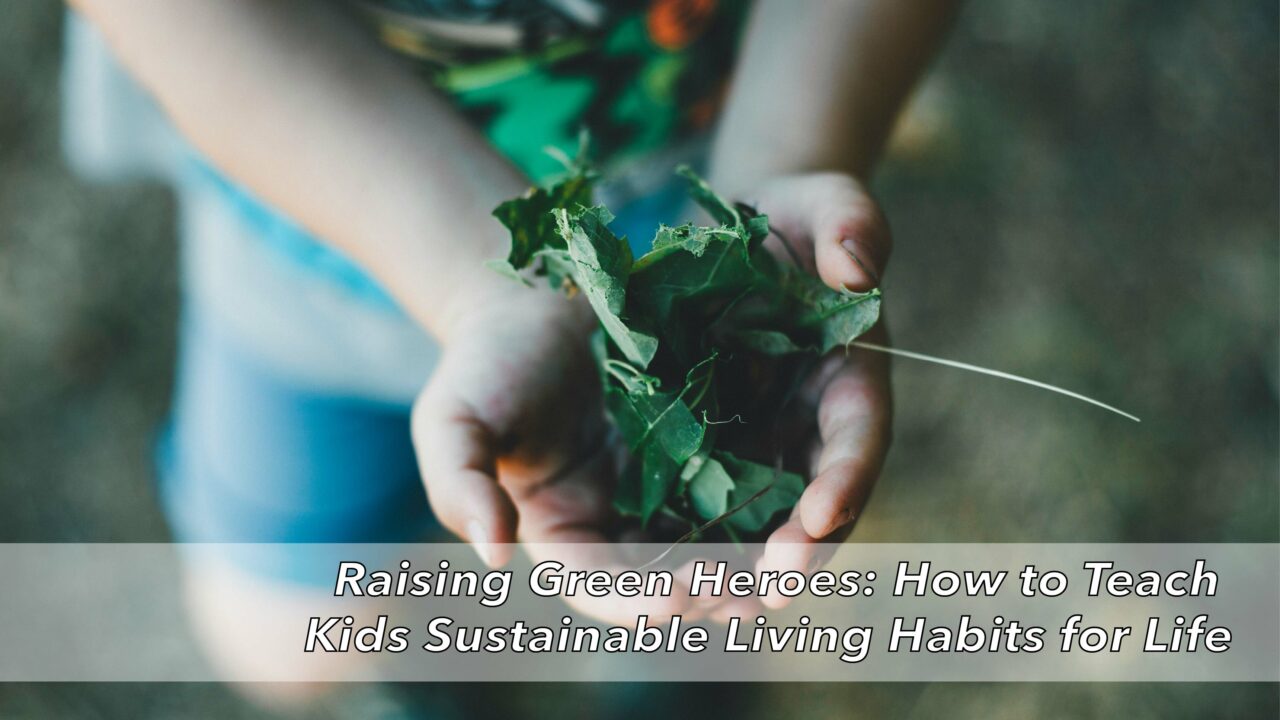
In a world facing climate change, pollution, and resource depletion, one of the greatest gifts we can give the next generation is the knowledge and mindset to live sustainably. Teaching kids how to embrace a green lifestyle from an early age sets them on a path to becoming responsible, eco-conscious adults who care about the world around them.
The good news? It doesn’t take grand gestures or complicated lessons. Sustainability starts at home—with small, consistent habits and meaningful conversations. Here’s how you can raise environmentally responsible children and help them build green habits that last a lifetime.
🌱 1. Start With Simple Conversations
Kids are naturally curious—and surprisingly empathetic. Use everyday situations to explain why protecting the environment matters. For example:
- When brushing teeth, talk about water conservation.
- While recycling, explain how materials get reused and why that’s important.
- Watching nature documentaries together can spark interest and questions.
Keep the tone positive and hopeful. Let them know that their actions do make a difference.
🧼 2. Lead by Example
Children learn best by watching what adults do. If they see you:
- Bringing your own bag to the store,
- Turning off lights when leaving a room,
- Choosing reusable containers for lunch,
…they’ll naturally adopt these habits too. Consistency and explanation go hand-in-hand. Let them join you in your eco-choices so it feels like a family value, not just a rule.
🛍 3. Make Sustainable Living Fun
Turn green habits into enjoyable routines:
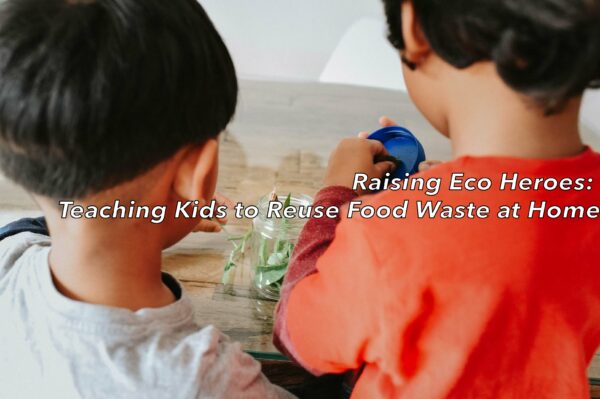
- Compost Together: Let kids help sort food scraps and watch them turn into soil.
- Eco-Crafts: Use recyclable materials to create fun art projects.
- Green Challenges: Have a “no plastic day” or “energy-free hour” challenge once a week.
- Garden Projects: Teach them how to grow herbs, flowers, or vegetables—even if it’s just in pots by the window.
Learning through play is not only more effective—it creates lasting memories.
🧃 4. Teach Mindful Consumption
The modern world encourages constant buying and fast fashion. Help children understand the value of things:
- Let them donate old toys and clothes to learn about reuse.
- Encourage thoughtful gift-giving (e.g., handmade or experience gifts).
- Discuss why it’s okay to wait, repair, or upcycle instead of always replacing.
They’ll learn that less can be more—and that caring for what we have is a sustainable act.
📚 5. Read Green-Themed Books & Watch Eco-Friendly Media
Storytelling is powerful. Introduce age-appropriate books and shows that teach environmental values. Great children’s titles include:
- The Lorax by Dr. Seuss
- Compost Stew by Mary McKenna Siddals
- One Plastic Bag by Miranda Paul
You can also explore YouTube channels or educational platforms focused on sustainability for young viewers.
🚴 6. Encourage Nature Appreciation
Kids who love nature are more likely to protect it. Encourage outdoor activities like:
- Nature walks and hikes
- Beach or park cleanups
- Birdwatching or planting trees
Let them feel the joy of being part of the natural world—and develop a personal connection that inspires care and protection.
🧠 7. Be Patient, Not Perfect
Sustainability is a journey, not a checklist. Your child won’t always remember to recycle or turn off the faucet—and that’s okay. Keep encouraging, keep explaining, and celebrate progress over perfection.
Final Thoughts: Raising Future Earth Stewards
By teaching children how to live green, you’re helping shape a future filled with more mindful consumers, kinder citizens, and stronger advocates for the planet. These lessons don’t just benefit the environment—they nurture responsibility, empathy, and creativity.
Start small. Stay consistent. Celebrate wins. And most of all, make it fun.
Because when sustainability becomes second nature at home, the impact can echo across generations.