Climate change often feels like a massive, distant problem — something that requires big governments, big policies, and big sacrifices. But one of the most effective tools we have to fight global warming is surprisingly small: food waste.
Yes, that carrot top, banana peel, or stale bread crust you’re about to toss could actually play a role in helping cool the planet.
The Link Between Food Waste and Global Warming
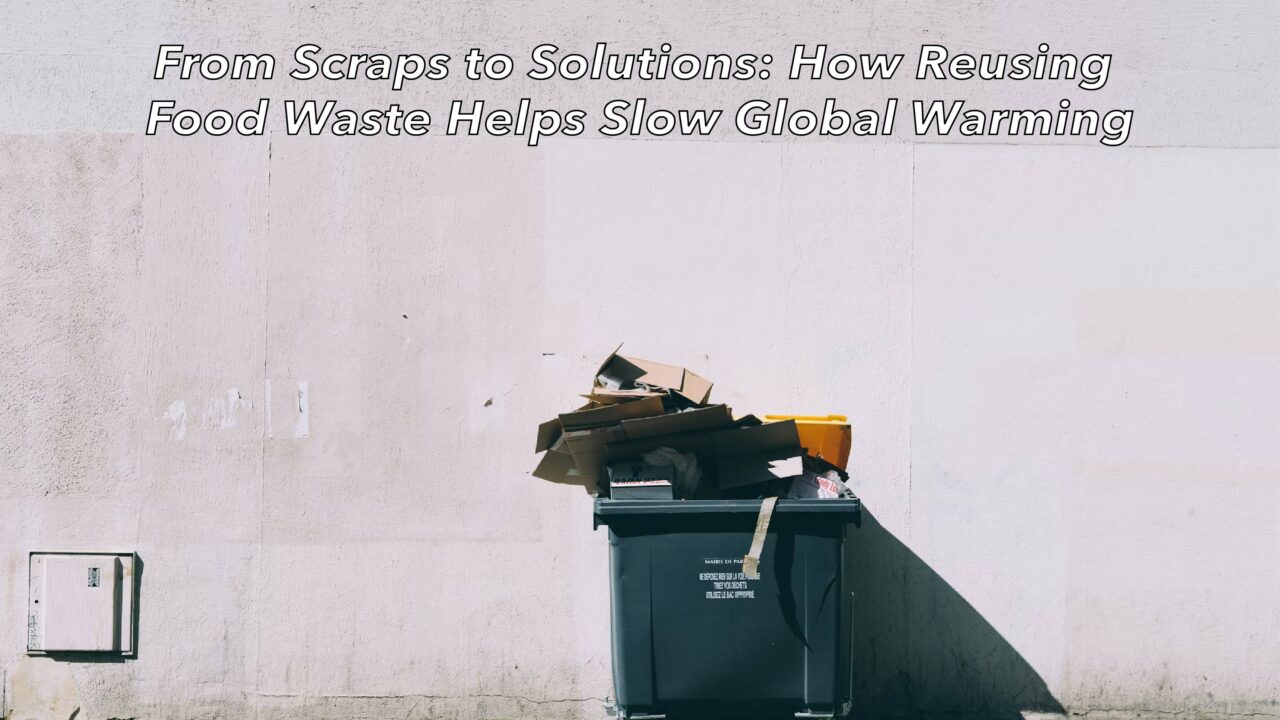
Globally, about one-third of all food produced is wasted. When food ends up in landfills, it doesn’t break down cleanly — it decomposes without oxygen and releases methane, a greenhouse gas that’s over 25 times more potent than carbon dioxide.
In fact, food waste contributes to about 10% of global greenhouse gas emissions. That’s more than the entire aviation industry.
How Reusing Food Waste Reduces Emissions
Every time we reuse, repurpose, or compost food scraps, we divert that waste from landfills and stop it from producing methane. Here’s how small home actions can make a big difference:
♻️ 1. Composting
Even a small backyard or balcony bin can significantly reduce methane emissions. Composting organic waste keeps it out of landfills and returns nutrients to the soil — a win-win for the planet and your garden.
🍲 2. Cooking Creatively with Scraps
Use broccoli stems in stir-fry, save herb stems for flavoring broths, and turn leftover rice into fried rice. The more you use up, the less you throw away — and the more resources you save.
🌿 3. Regrowing Food
Regrowing green onions, lettuce, or basil from scraps reduces your need to buy new produce and keeps more waste out of the bin. It’s climate-friendly and cost-effective.
🛒 4. Smarter Food Shopping
Planning meals and shopping for only what you need cuts down on excess food that may spoil and be thrown away. Less food wasted = fewer emissions from production, transport, and disposal.
The Bigger Picture: Systemic Impact Starts at Home
When we shift our household behavior, we signal to brands, cities, and governments that sustainability matters. And when millions of people do the same? That ripple becomes a wave.
So, while reusing food scraps may seem like a small act, it’s one of the most immediate climate solutions we have control over — and it starts in your own kitchen.
Final Thoughts
Climate action doesn’t always require a protest sign or a policy change. Sometimes it just looks like giving new life to your food scraps.
Every banana peel you compost, every soup you make from leftovers, and every container you refill is a small but mighty strike against global warming. The solution is on your plate — and in your hands.
#CanGoGreen #ClimateActionNow #FoodWasteSolution #SustainableLiving #ZeroWasteKitchen #FightClimateChange #ReduceMethane #EcoFriendlyHabits #GreenHomeTips #PlanetOverWaste